MCU English Language Center Hosts 3rd International Conference on Language Education
by Scott Sommers
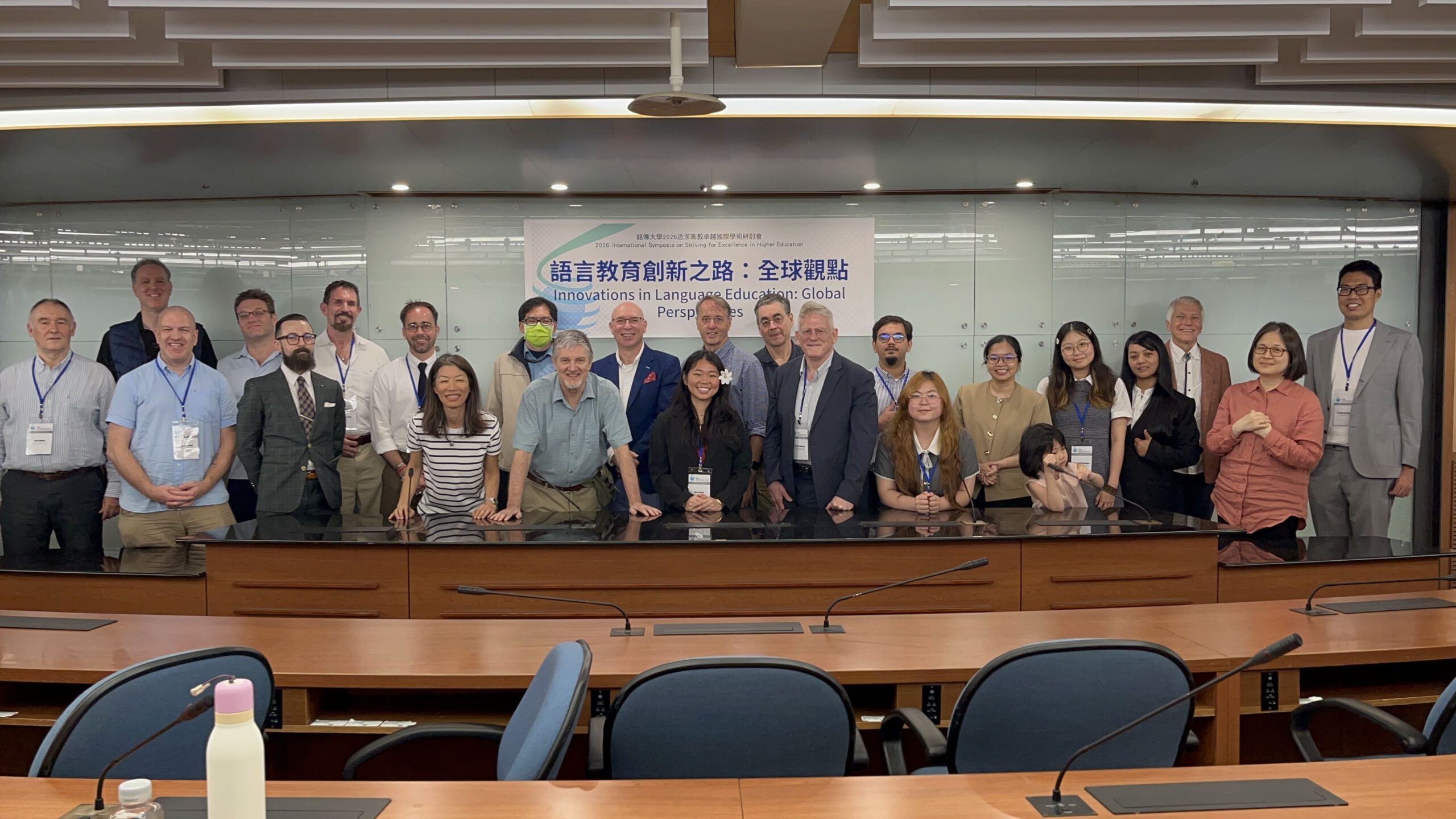
The English Language Center (ELC) of Ming Chuan University hosted the 3rd International ELC Conference on Saturday, May 9, 2026, at the Jihe Campus. Held under the theme “Innovations in Language Education: Global Perspectives,” the conference drew educators, researchers, and graduate students from universities across Taiwan and four other countries.
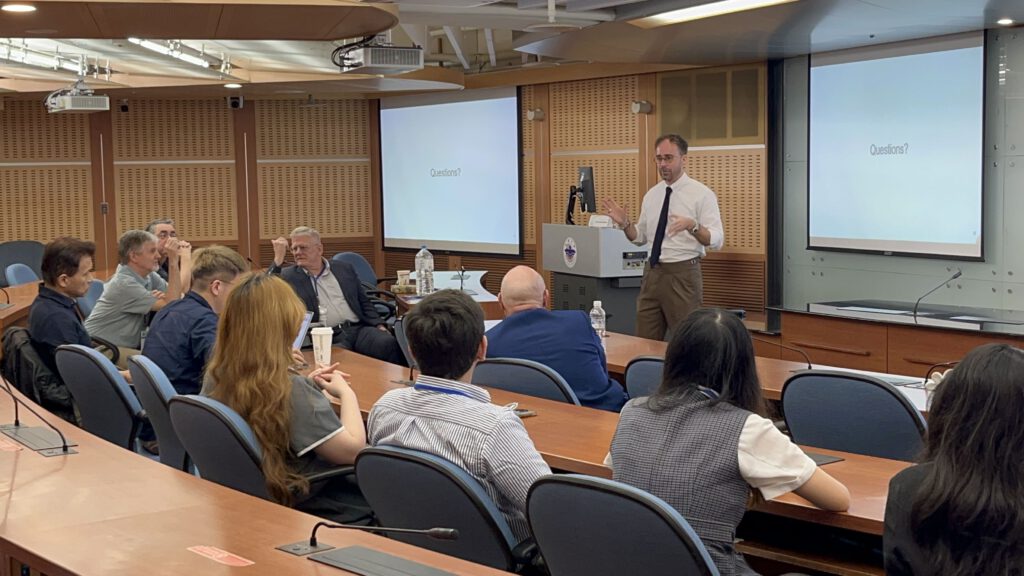
The program was introduced by Dr. Vivian Tang, Dean of Continuing Education, before the morning’s keynote address by Joshua Wilwohl of the American University of Phnom Penh, who examined the complex role of generative AI in shaping non-native English identity. Three concurrent sessions followed, covering topics ranging from gamification and learner autonomy to AI integration in elementary bilingual classrooms and the experiences of multilingual learners in EMI contexts.
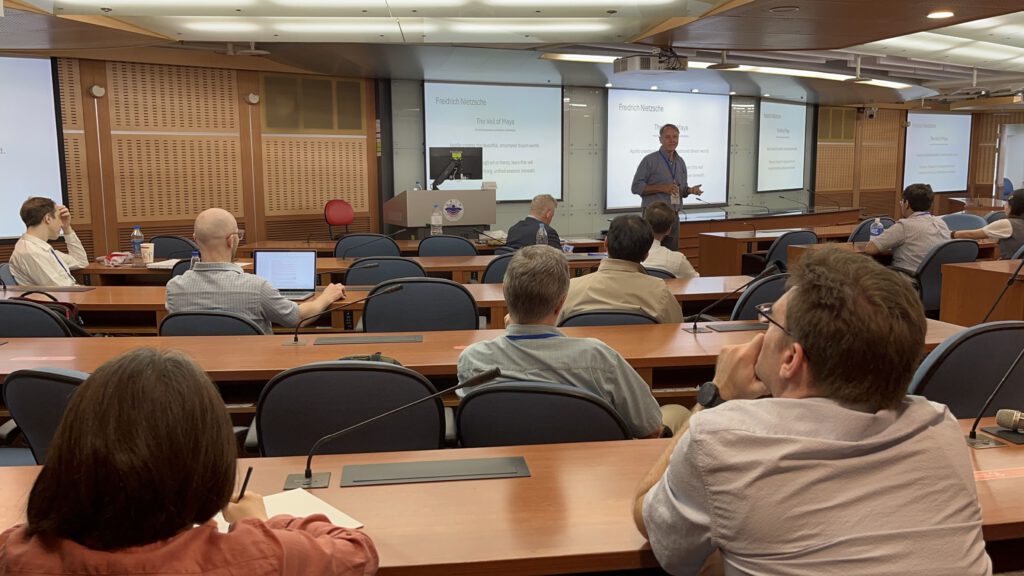
After lunch, John Maloney of Tainan University of Technology delivered the afternoon keynote, offering a philosophical perspective on AI-driven disruption. Three further concurrent sessions then explored themes including critical AI literacy in the EFL classroom, empirical approaches to reading fluency and speaking skill development, and the implications of Taiwan’s bilingual education policy in an AI-driven future. Running alongside these sessions, the conference also featured an action research track and an undergraduate student panel series, where MCU students presented original research on topics including AI tools and critical thinking, AI reasoning disparity, and academic pressure and mental health in Taiwan’s higher education context. The day concluded with a plenary roundtable and closing remarks.
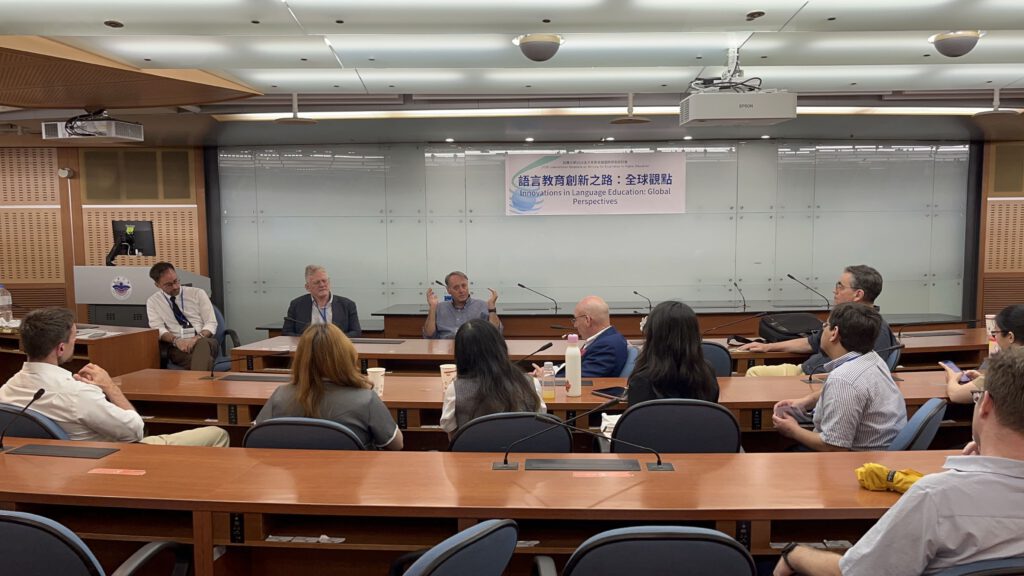
The conference featured 30 presentations in total, with international speakers representing Soka University (Japan), the American University of Phnom Penh (Cambodia), the National University of Singapore, and Ho Chi Minh City University of Foreign Languages and Information Technology (Vietnam). Speakers and attendees also came from National Taiwan Normal University, Feng Chia University, Kang Chiao International School, and several other institutions across Taiwan.